
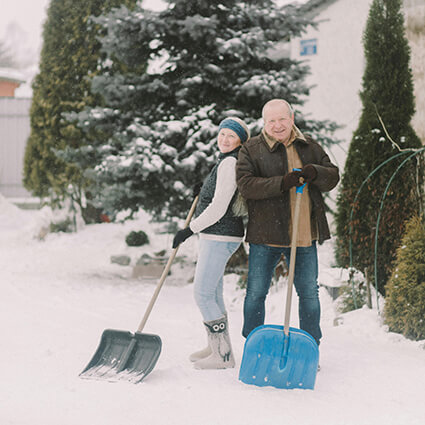
 Snow removal is part of life in Anchorage, and most people do it the same way they always have. The problem is that winter chores often combine urgency with awkward mechanics, and that combination can overload the lower back quickly. At Bilan Chiropractic, two scenarios show up again and again after heavy snowfall: back pain linked to shoveling technique, and sciatica flare-ups that get worse in cold weather.
Dr. Mark Bilan sums it up in a way that resonates with a lot of locals: “Winter injuries usually happen when the body is cold, stiff, and rushed. One heavy lift or one awkward twist can be enough to set things off.” The goal is not to make winter chores complicated. It’s to help you move in a way that protects your spine.
Why Shoveling Is Harder on Your Spine Than It Looks
More than just lifting, shoveling often involves forward bending, repeated scooping, and torso rotation to toss snow aside. That rotation is a big issue because twisting under load increases stress on the lumbar discs. Wet snow makes this worse, since it’s heavier than most people expect. Even if you feel fine in the moment, the repeated motion can create irritation that builds across the day.
From a biomechanics perspective, bending forward while lifting creates pressure across the lower spine. Adding a twist increases disc stress at the most common trouble spots, especially the segments between L4 to L5 and L5 to S1. When those discs are irritated, pain can show up as local soreness, sharp low back pain, or even symptoms that travel into the hip and leg.
Why Winter Can Trigger Sciatica Flare-Ups
Sciatica happens when the sciatic nerve is irritated or compressed. Cold weather can contribute by increasing muscle tension in the lower back, hips, and glutes. Tight muscles can place more pressure along the nerve pathway, and that can make symptoms feel more intense. People often notice radiating pain, tingling, numbness, or weakness down one leg, especially after being outside, sitting for long periods, or doing physical work like shoveling.
There’s also a feedback loop. When sciatica hurts, people move differently to avoid discomfort. They brace, limp, or shorten their stride. That compensation can create more tension and keep the nerve irritated longer.
Safer Shoveling Habits That Actually Help
Start by warming up before you shovel. A few minutes of movement indoors can help loosen stiff tissues and improve circulation. When you shovel, keep each load smaller than you think you need. More trips with lighter scoops is usually safer than one heavy lift.
Next, avoid twisting your spine to throw snow. Instead, pivot your feet so your whole body turns together. If you can, push snow rather than lifting it, since pushing often reduces the amount of bending and twisting. Also consider taking short breaks so fatigue doesn’t lead to poor mechanics.
What To Do If Your Back or Sciatica Is Already Acting Up
If you tweaked your back or your sciatica flared, pushing through can make recovery take longer. Early care matters because it can reduce joint restriction and ease nerve irritation before your body fully settles into compensation patterns. Chiropractic adjustments aim to restore healthy motion and reduce stress on sensitive areas. Massage therapy can help calm tight muscles and support circulation, which is especially helpful in winter when tissues tend to stay guarded.
Get Ahead of the Next Snowfall
The goal isn’t just quick relief after a storm. We want to help you move better, shovel smarter, and keep your body steady through the season so you can feel more confident on icy ground and less worried about flare-ups. Reach out to Bilan Chiropractic today to book your winter spine check before the next snowfall.